

NEET Study Plan for Class 11 Students: A Clear 2026 Roadmap
You’ve just started class 11.
Your parents are asking, “When do you start serious NEET prep?”
Your friends are talking about top coachings, best books, and daily schedules.
And you’re sitting there thinking: “I know I need to prepare for NEET. But what do I actually do first? What’s the game plan here?”
The problem?
Everyone talks about working hard for NEET. Nobody talks about working smart. And that’s the difference between a chaotic class 11 and a confident one.
This blog isn’t about motivation or daily timetables. It’s about the actual roadmap. The structure. The thing that tells you what comes first, what comes next, and how to avoid wasting your class 11 years.
Let me show you.
Who this study plan is for

Well, this study plan is built for you if:
You’re a class 11 science student and you’ve decided NEET is your goal. Not “maybe,” not “I’ll see.” Actually decided.
You feel confused about the size of the syllabus and don’t know where to start.
You want clarity on the next 1–2 years instead of random tips and motivation.
You’re a parent trying to make sure your child’s class 11 doesn’t go to waste. You want logic, not hype.
Or you just finished class 10, results are out, and you’re deciding how serious you actually want to be about this.
One thing to note: This is not a daily NEET study timetable. This is a preparation roadmap. It tells you what to do. Not when to do it. A timetable comes later. Right now, you need to see the bigger picture first.
Why class 11 planning matters for NEET

Let me share something most students don’t realize.
Class 11 isn’t just another year.
It’s the foundation.
Right now, you’re learning concepts that class 12 will build on. Physics concepts from class 11? They matter for class 12 chapters. Chemistry from class 11? It shows up again in class 12. Biology? Same story.
Now, imagine this: You skip understanding a concept in class 11. You move to class 12. Suddenly, the class 12 chapter doesn’t make sense because the foundation is missing.
What do you do?
You go back. You reteach yourself. You waste time.
But here’s the real problem.
You’re now doing class 12 content and fixing class 11 gaps. At the same time. While your peers have moved ahead.
That’s exhausting.
And it’s why I’ve seen brilliant students struggle in NEET not because they weren’t smart, but because their class 11 was messy. No structure. No plan. Just “studying hard.”
The students who nail NEET?
They didn’t work harder. They worked smarter.
They had a plan from the start: master the fundamentals in Class 11, then transition seamlessly into a Class 12 NEET plan without having to constantly look back and patch up old gaps.
That’s what this blog is about.
What a NEET study plan for class 11 really means

Before we go into phases and subjects, let’s clarify something.
A study plan is not the same as a timetable.
A timetable says: “Monday 6–7 AM, you study Physics. Tuesday 7–8 AM, you do Chemistry.”
A study plan says: “First, you build foundation concepts. Then, you solve problems. Then, you test yourself.”
See the difference?
A timetable tells you when to study. A plan tells you what and how to study.
Here’s another thing.
A study plan is not random preparation.
Random preparation looks like: “I’ll watch YouTube videos today. I’ll solve some questions tomorrow. I’ll read NCERT when I feel like it.”
That’s not a plan. That’s hoping.
A real plan says: “Here’s the order of topics. Here’s the approach for each subject. Here’s where you need to invest time.”
Now, here’s why this actually matters.
When you have a plan, you can make decisions.
- You know what to study first and what can wait.
- You know which chapters are heavy and which are light.
- You know whether you need an extra reference book or if NCERT is enough.
- You know when to assess yourself and how to fix gaps.
Without a plan?
- You’re reactive.
- You study whatever is in front of you.
- You finish chapters randomly.
- You hope everything somehow fits together by the end.
It usually doesn’t.
That’s why I’m going to show you a phase-wise roadmap that answers all of these questions.
Phase-wise NEET preparation roadmap for class 11 that you can consider

Alright, below is the actual structure.
Class 11 NEET prep breaks into three distinct phases. Not because some genius decided it, but because this is how learning actually works.
Phase 1: Foundation and concept building
- When: Throughout class 11 (for new chapters)
- What’s happening: You’re learning concepts for the first time.
- The focus: Understanding, not speed. Not even problem-solving yet.
This is where most students mess up.
They rush.
They want to “finish” chapters quickly. They want to move to “harder stuff.” They want to solve questions immediately.
And then what happens?
They realize they don’t understand the core concept. They have to go back. They waste time.
Here’s what phase 1 actually looks like:
- You read NCERT. Carefully. Not fast, but deeply.
- You make sure you understand the concept. Not memorize. Understand.
- You draw diagrams. You relate it to real life. You ask yourself: “Why is this concept working this way?”
- You don’t jump to advanced books yet. You don’t solve 200 questions per chapter. You just understand.
Why NCERT first?

Because NCERT is written for class 11 students. It’s not packed with information. It explains concepts in a way that builds on what you already know.
Advanced books assume you already know the basics. They jump to complexity. And if your foundation is shaky, you get lost.
I’ve seen this so many times.
A student picks up a reference book in phase 1. It’s advanced. It has complex questions. They feel lost. They think they’re not smart enough.
What actually happened?
They skipped the foundation phase. That’s it.
How long does phase 1 take?
This depends on the chapter. A light chapter might take 3–4 weeks. A heavy chapter (like Thermodynamics in Physics or Organic Chemistry) might take 6–8 weeks.
The point: Don’t rush. Get the concept clear.
Once you’ve done phase 1 for a chapter, move to phase 2.
Phase 2: Strengthening and application
- When: After finishing a chapter’s foundation
- What’s happening: You’re now building on what you’ve understood.
- The focus: Solving problems. Linking concepts. Avoiding pure memorization.
Phase 2 is where things get real.
You’ve understood the concept. Now, can you actually use it?
In phase 2, you start solving problems. But not randomly. Strategically.
You start with problems given in NCERT. These are light problems. They test if you understand the concept. If you can solve them, you understand.
If you can’t?
Go back to the concept. You missed something.
Once NCERT problems become easy, move to one additional reference source. Not three books. One. Maybe two at max.
Why not multiple books?

Because multiple books mean the same concept explained 10 different ways. That’s confusing, not helpful.
Pick one good reference book (or your coaching material) and solve problems from it.
Here’s another thing that happens in phase 2.
You start linking concepts.
Physics concept connects to Chemistry. Chemistry connects to Biology. This connection is what makes NEET hard but also what makes it solvable.
For example:
You learn about electron configuration in Chemistry. You learn about quantum numbers. You’re thinking: “Why is this so complicated?”
Then, in Physics, you learn about atoms and energy levels. Suddenly, electron configuration makes sense. It connects.
That’s phase 2 thinking.
What about memorization?

Let me share a truth: NEET has some things you need to memorize. Chemical reactions. Biological facts. Taxonomic classifications.
But memorization without logic is forgetting.
In phase 2, you memorize with understanding. You don’t memorize “this reaction happens.” You memorize “this reaction happens because of this reason.”
Different approach. Better retention.
How long does phase 2 take?
For light chapters: 2–3 weeks.
For medium chapters: 3–5 weeks.
For heavy chapters: 6–8 weeks.
Again, no rush. The goal is clarity, not speed.
Phase 3: Early assessment and adjustment
- When: Periodically throughout class 11 (after completing topics/modules)
- What’s happening: You’re testing yourself and fixing gaps before they become big problems.
- The focus: Identifying weak areas. Correcting them early. Learning to self-assess.
This is the phase most students skip.
And it’s the most important one.
Why?
Because it’s where you catch your mistakes early.
In phase 3, you test yourself. You take tests. You solve previous year questions. You see where you’re struggling.
And here’s the key: You fix it immediately.
Once you build strong concepts and start testing yourself regularly, the next step is understanding how to convert this preparation into results.
As everyone wants to crack NEET in the first attempt.
You don’t wait until class 12. You don’t wait until one month before the exam. You fix it now.
How?
You go back to the concept. You revisit the chapter. You solve more problems. You identify the specific thing you’re weak at.
Let’s say you’re weak at numerical problems in Physics. Not all of Physics. Just numericals.
In phase 3, you figure this out.
Then, you practice more numericals. Just numericals. Not the whole chapter again. This is efficient.
What kind of assessment?

In the beginning, self-made tests. Just solve 10–15 questions from a chapter and see where you mess up.
As you move ahead, use mock tests and previous year papers.
The idea is simple: Find weak spots. Fix them immediately. Don’t let them pile up.
How often?
After every major topic or module. So maybe once a month or once in six weeks.
Not constant testing (that’s exhausting). But regular enough to catch problems early.
Subject-wise priority for class 11 NEET aspirants
Now, let’s talk specifics.
NEET has three main subjects: Biology, Physics, Chemistry.
They’re not equal in importance. They’re not equal in difficulty. And they need different approaches.
Let me break it down.
Biology – The scoring backbone

Let me share a fact that surprises students.
Biology is the easiest subject to score in NEET. Not the easiest to study. But the easiest to score.
Why?
Because Biology is mostly conceptual understanding plus memory. There are fewer “tricky” questions than Physics or Chemistry.
If you understand concepts and remember facts, you score well.
What does this mean for class 11?
Biology needs consistency. It needs regular reading.
You can’t cram Biology. You can’t skip chapters and come back later. It doesn’t work that way.
In class 11, your focus with Biology should be:
Read NCERT deeply. Understand the concepts. Don’t just memorize facts.
Maintain consistency. Read Biology every week. Don’t let chapters sit idle.
Create visual connections. Biology is about systems. Understand how one system connects to another.
Don’t use too many reference books. One good reference plus NCERT is enough. More books mean confusion.
Here’s what I mean by “deep reading.”
You read about photosynthesis. Don’t just memorize the formula. Understand why photosynthesis happens. What problem does it solve? How do different organisms do it differently?
That depth is what scores.
And the good news?
If you do this in class 11, class 12 Biology becomes so much easier. You’re just adding to what you already understand. Not relearning.
Physics – Concept before numericals

Physics is the opposite of Biology.
Physics is hard to understand but easy to learn once you get it.
Here’s the trap most students fall into.
They see physics numerically. They think: “Let me memorize the formula and plug in numbers.”
Does it work?
Sometimes. For that one question.
But NEET asks questions that need conceptual understanding. Formula memorization fails. Hard.
What does this mean for class 11?
Your focus should be understanding concepts first. Numericals later.
Here’s what I’ve seen destroy students:
A student starts solving Physics questions in week 1 of class 11. They don’t fully understand the concept yet. They memorize formulas. They get a few questions right.
They feel confident.
But when they hit a slightly different question, they’re lost. The formula approach doesn’t work.
They lose confidence. They think Physics is too hard.
What actually happened?
They skipped the concept phase.
Here’s the right approach:
Phase 1 for Physics: Understand concepts deeply. Use diagrams. Use real-life examples. Make sure you can explain the concept to someone else.
Phase 2 for Physics: Once you understand, solve numericals. Start with simple ones. Build complex ones.
Common mistakes students make while learning Physics
Starting with numericals before understanding concepts.
Memorizing formulas without knowing where they come from.
Thinking more problems = better learning. (Wrong. Understanding one problem deeply is better than solving 100 blindly.)
Ignoring the “why” behind concepts.
Rushing through chapters.
Here’s a tip:
In class 11 Physics, you learn Newton’s Laws. Before you solve any numerical on Newton’s Laws, make sure you can explain why F=ma. Why momentum matters. Why acceleration is different from velocity.
Only then solve numericals.
This takes longer upfront. But when you hit class 12 and advanced Physics, you’re solid.
Chemistry – Balance of all three
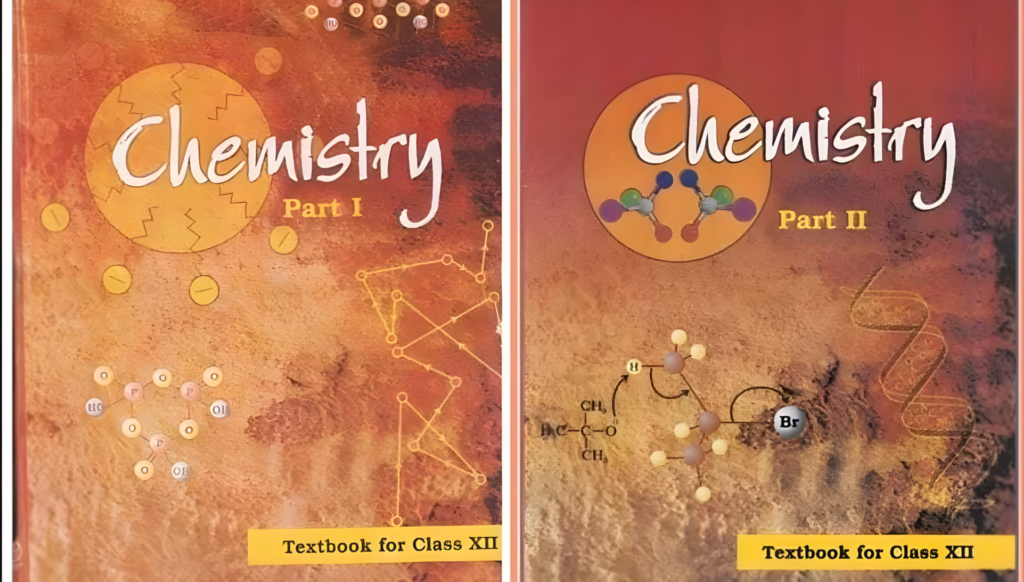
Chemistry is unique.
It has three parts: Physical Chemistry, Organic Chemistry, Inorganic Chemistry.
And students usually mess up by favoring one and ignoring others.
Here’s what happens:
A student loves Inorganic Chemistry. It’s “easy.” They spend all their time on it. They ignore Organic Chemistry because it seems hard.
Or they focus on Organic and forget Inorganic facts.
In NEET, this backfires. The exam asks balanced questions from all three areas.
What does this mean for class 11?
You need to develop a balanced approach.
Physical Chemistry: Understand concepts first. Do numericals later. Similar to Physics.
Organic Chemistry: Start early. Organic Chemistry in class 12 is intense. If you build basics in class 11,
class 12 becomes manageable.
Inorganic Chemistry: Consistent reading. Regular revision. No memorization without understanding why compounds behave the way they do.
Here’s the balance you should aim for:
When studying Chemistry in class 11, make sure you’re spending time on all three areas. Not equal time necessarily, but all three.
A rough split could be:
- Physical Chemistry: 35% (concept heavy)
- Organic Chemistry: 35% (building foundations early)
- Inorganic Chemistry: 30% (consistent reading and revision)
This varies based on chapters, but the idea is balance.
The mistake students make:
Neglecting one area thinking “I’ll do it later.”
Later never comes. And class 12 Chemistry becomes impossible.
How to plan resources without overloading

Here’s a question I get a lot.
“What books should I buy for NEET prep?”
And students’ eyes light up. They want a list.
But I’m not going to give you a list.
Why?
Because more books don’t mean better preparation. In fact, often the opposite.
Let me explain.
How many books do you actually need?
For Biology: NCERT + one good reference (like Trueman or AIIMS materials). That’s it. Seriously.
For Physics: NCERT + one good reference (like HC Verma or coaching material). One.
For Chemistry: NCERT + one reference for Organic, one for Inorganic. Maximum two references total. Not six different books.
Why this is enough
Because these books cover everything NEET asks.
More books mean:
- Same concepts explained differently (confusing)
- More questions to solve (time-consuming)
- Analysis paralysis (you don’t know which book to follow)
- Overwhelm
I’ve seen students buy 8 books for Physics and end up studying 2 of them. The other 6 sit on the shelf. Waste of money. Waste of space. Waste of psychological bandwidth.
The role of NCERT
NCERT is the foundation. Non-negotiable.
Some students skip NCERT thinking it’s “too basic.” They jump straight to reference books.
And then they realize they’re lost. Concepts don’t make sense. Problems feel hard.
NCERT builds the base. After NCERT comes reference material. After reference comes advanced material.
This order matters.
Where does coaching material fit in?
If you’re taking coaching, the coaching material often replaces the reference book.
Good coaching centers give you study material that covers concepts deeply and has practice questions.
In that case, you might skip buying separate reference books and use coaching material instead.
When do reference books actually help?
When you need a different explanation of a concept.
When NCERT explanation isn’t clicking for you, a reference book might explain it better.
When you need more practice problems than NCERT offers.
When you need advanced topics beyond class 11 (less common, but happens).
When do they not help?
When you haven’t finished NCERT yet and you’re jumping to advanced books.
When you’re buying books just because “everyone says they’re good.”
When you’re trying to read multiple explanations of the same concept (causes confusion).
When you already have coaching material that covers everything.
Here’s my suggestion

Start with NCERT. Just NCERT for phase 1.
Once you finish phase 1 for a subject/chapter, then add one reference source.
Coaching material? Use it if you’re in coaching. Don’t buy extra books on top of coaching material.
The checklist you can follow
✅ NCERT (all three subjects) – non-negotiable
✅ One reference for Biology – depends on your understanding
✅ One reference for Physics – depends on your understanding
✅ Coaching material (if taking coaching) – replaces reference books
❌ Multiple reference books for same subject
❌ Advanced books before finishing foundation
❌ Buying books you don’t actually use
Common planning mistakes class 11 students make

Let me share the mistakes I see most often.
Not because I want to scare you. But because knowing them helps you avoid them.
Mistake 1: Studying like a dropper even though you’re in class 11
Droppers (students repeating NEET year) study 8–10 hours daily because they already know the basics. They’re just refining.
A class 11 student studying 8 hours daily without understanding fundamentals is burning out early and learning slowly.
Class 11 prep should be 4–5 focused hours daily (after school), not 8–10 hours.
Quality over quantity. Always.
Mistake 2: Ignoring school concepts
Some students think: “I’ll study NEET material separately. School is separate.”
These two aren’t separate.
What you learn in school class 11 is exactly what you need for NEET class 11.
The mistake is treating them as two different things.
Instead, align them: Study school chapters deeply. That’s your NEET prep too.
Mistake 3: Studying everything at once
“I should study all subjects equally every day.”
No.
Some chapters are heavy. Some are light. Some need more practice. Some need just understanding.
A smart plan distributes load. One week you might focus more on Physics. Next week, Biology. This varies.
Studying everything at once every single day spreads you thin.
Mistake 4: No review checkpoints
“I finished chapter 1 of Physics. Now I’ll move to chapter 2.”
And three months later: “Wait, I forgot chapter 1 content.”
A plan includes checkpoints where you review old chapters, test yourself, and fix gaps.
Without checkpoints, you’re just moving forward without checking if you’re learning.
Mistake 5: Not adjusting the plan based on performance
A plan isn’t set in stone.
If a chapter is taking longer than expected, adjust.
If you’re struggling with a subject, add more time.
If you’re breezing through topics, you don’t need to slow down artificially.
A good plan is flexible.
Mistake 6: Waiting for the “perfect time” to start
“I’ll start serious prep from June.”
Or: “I’ll focus once school exams are over.”
And then June comes. School gets busy. Something else comes up.
The time is never perfect. Start now. Adjust as you go.
How parents can support class 11 NEET preparation

If you’re a parent reading this, here’s how you actually help (without being annoying about it).
What to monitor
Is your child following a clear plan? Not: “Are they studying hard?” But: “Is there a structure?”
Are they understanding concepts or just memorizing? Ask them to explain something they learned. If they can explain it, they understand.
Are they taking mock tests or self-assessing? This shows they’re tracking progress.
Are they taking breaks? This matters. Burnout kills NEET prep.
What to avoid
Comparing with other students. “Why doesn’t your friend score more?” is counterproductive.
Pressure about daily study hours. “You should study 8 hours!” causes stress, not learning.
Checking on them every hour. This creates anxiety.
Forcing specific study methods. Every student learns differently. Let them find their style.
Parents should support their children, understand their challenges, and follow the right NEET parent guide to help them move in the right direction.
Signs the plan is actually working
They can explain concepts clearly.
They’re solving questions better than before (not just more questions, but better).
They’re confident about what they know and clear about what they don’t.
They’re making mistakes fewer in tests over time.
They’re not studying just before exams. They’re consistent.
What parents should actually do
Make sure they’re comfortable. Good study space. Healthy food. Enough sleep.
Check in occasionally: “Is the plan working? Do you need help adjusting?”
Remove distractions. Phone, TV, unnecessary commitments during study hours.
Be supportive when they’re struggling, not judgmental.
Ask them: “What topics are you focusing on this month?” Keep them accountable gently.
How coaching helps in executing a NEET study plan

Here’s an honest truth.
A study plan on paper and a study plan executed in real life are very different things.
Why?
Because life happens.
You plan to do phase 1 of a Physics chapter. But then school has exams. Or you get sick. Or you’re just confused about something and don’t know how to fix it.
A plan helps you know what to do. But execution is harder.
This is where good coaching in India comes in.
It’s not about replacing your brain. It’s about support.
What a NEET coaching provides you
Structured learning environment
A coaching center has a curriculum. A sequence. It’s already been thought out. You don’t have to design everything yourself.
Expert feedback
Your teacher checks your understanding. They catch gaps early. They don’t just let you move forward blindly.
Peer learning
You’re with other NEET aspirants. You see what others are doing. You’re motivated. You’re not alone.
Regular assessment
Coaching includes tests. You know where you stand. You get feedback. You adjust.
Personalized guidance
A good coaching center adjusts based on your performance. Struggling in one subject? They help. Cruising through another? They push you ahead.
Motivation without hype
Not “You’ll get 650 marks!” But “Here’s what you need to work on to improve.”
Is coaching necessary?
No. But is it helpful?
For most students, yes.
Not because they can’t study alone. But because execution is hard. Having someone guide you, assess you, and keep you accountable makes a difference.
Need help creating or executing a study plan?

Here’s the thing we’ve learned through working with hundreds of NEET aspirants.
A plan is useful. But only if it’s executed.
And execution is harder than planning.
Maybe you’re reading this and thinking: “This makes sense. But I’m overwhelmed. How do I actually structure my specific case?”
Or maybe: “I want to make sure my child is doing the right things. But I don’t know what to check for.”
Or: “I have a plan. But I don’t know how to adjust it if something’s not working.”
If any of this is you, that’s okay.
This is exactly why personalized guidance exists.
We work with class 11 NEET students to:
✅ Create a customized study plan based on your starting level, learning style, and timeline
✅ Monitor execution and adjust as you progress
✅ Identify gaps early (before they become big problems)
✅ Provide regular feedback and guidance
✅ Help parents understand if their child is on track
We do this through one-on-one planning sessions, monthly check-ins, and structured coaching support.
So how do you actually move forward with a NEET study plan for class 11?
If there’s one thing to remember from this guide, it’s this: Class 11 doesn’t need panic. It needs structure.
You don’t need to study all the time or follow random advice. Since your Class 11 preparation lays the foundation for NEET 2027, start by understanding the NEET 2027 syllabus and then build a study plan around it. From there, all you need is steady execution and timely course correction whenever something isn’t working.

At Chaitanya’s Academy, we’ve helped hundreds of students follow a practical NEET study plan for class 11 that builds strong concepts, avoids burnout, and makes class 12 preparation smoother. Our focus is on clarity, consistency, and guidance that works in real life, not shortcuts or hype.
If you’re a student looking for direction or a parent who wants confidence that things are on the right track, we’re here to help.
Book a counselling session or attend a demo class at Chaitanya’s Academy and start your NEET journey with clarity and confidence.