
How to Prepare for IIT JEE 2028 from Class 11? Full Guide
Class 11 begins, and suddenly JEE doesn’t feel like something that is “two years away” anymore.
The syllabus gets tougher. Physics starts asking you to think differently, Chemistry concepts go deeper as you cover core topics like the JEE Chemistry chapters 2027 syllabus demands more commitment, Maths demands much more practice than before. Add school, coaching, assignments and regular exams to the mix, and it is easy to wonder, “How am I supposed to prepare for JEE along with everything else?”
The good news is that you have time.
If you are starting your JEE preparation in Class 11, you have two years to build your concepts, practise questions, fix your weak areas and gradually reach the level required for JEE 2028.
You don’t need to rush through the syllabus or study all day. You need a clear plan and the consistency to follow it.
How can you prepare for JEE from Class 11?
Let me break down exactly what you should do, from understanding the syllabus and building your foundation to creating a two-year study plan and preparing with or without coaching.
Why Class 11 is the right time to start JEE preparation
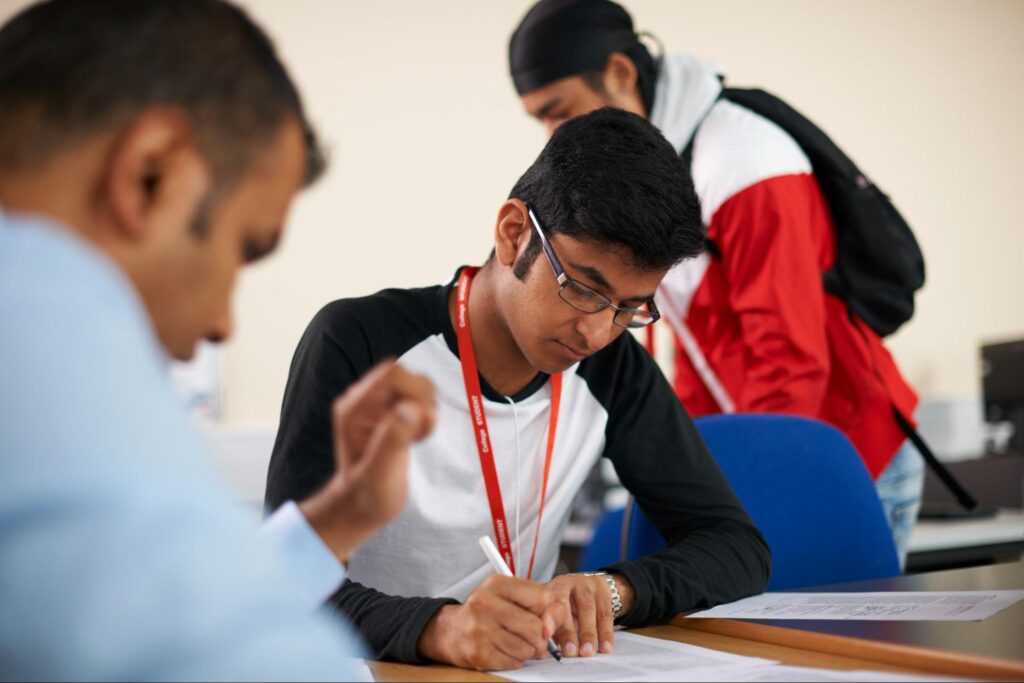
Class 11 is where JEE preparation starts to feel real. Until Class 10, you can get away with studying a chapter before an exam and moving on. JEE does not work that way. A concept you understand today can show up in a much harder question months later, which is why building a strong middle-school foundation matters long before you sit for competitive exams.
That is exactly why starting in Class 11 works in your favour.
You are not trying to crack JEE tomorrow. You have two years to build up to it. You can take time to understand a difficult Physics concept, practise Maths until the questions stop looking unfamiliar, and give Chemistry enough attention to actually remember what you study.
More importantly, you get room to make mistakes. You may struggle with a few chapters, score poorly in a test or fall behind for a week. Starting early means you still have time to figure out what went wrong and get back on track.
Class 11 is not about racing through the JEE syllabus. It is about building the kind of foundation that makes Class 12 and the final JEE preparation much easier.
How you can prepare for JEE from Class 11

Once you decide to start preparing for JEE, the next question is usually, “Where do I even begin?”
You have the syllabus, school studies, books, lectures and hundreds of resources telling you what to do. Trying to do everything at once can make preparation more confusing instead of making it easier.
The better approach is to build your preparation one step at a time. Start with the syllabus, understand your concepts, follow practical tips for JEE preparation, practise regularly and keep checking where you are going wrong.
Understand the JEE syllabus before you start
Before picking up a book or solving your first JEE question, know what you are preparing for. Go through the syllabus and review these subject-wise topics and tips to understand which Class 11 topics you need to cover in Physics, Chemistry, and Mathematics.
This gives you a clear picture of what lies ahead and helps you divide the syllabus into smaller, manageable targets.
You can also mark chapters as you go:
- Not started: Yet to study
- In progress: Concepts being covered
- Completed: Basic preparation done
- Needs revision: Studied but requires more practice
Don’t worry about knowing every chapter from day one. The goal is to know the road before you start walking it.
Build strong concepts from the beginning
JEE preparation gets difficult when you try to memorise your way through it. A formula might help you solve one question, but understanding the concept behind it helps you handle questions you have never seen before.
So, when you start a new chapter, don’t make finishing it your only goal. Give yourself time to understand the theory, work through examples and ask questions when something doesn’t make sense.
A simple approach is:
Learn the concept → understand the examples → solve basic questions → move to JEE-level problems.
Also, don’t leave doubts sitting in your notebook for weeks. A small gap in understanding can become a much bigger problem when later chapters build on it.
Strong fundamentals matter more than how quickly you finish the syllabus.
Start practising JEE-level questions
This is where your preparation starts feeling different from regular school study.
In school, you might be able to understand a chapter and feel prepared for the exam. With JEE, you can know the formula and still have no idea how to use it when the question is presented differently. That gap is what practice needs to close.
Start with questions based directly on the concept you have studied. Once those become comfortable, move to mixed problems and get a feel for the actual JEE Mains paper pattern through past-year questions. For example, after studying Newton’s Laws of Motion, don’t stop at questions that simply ask you to apply \(F = ma\).
Try problems where you have to identify the forces yourself, draw a free-body diagram and decide which approach will actually work.
And when a question takes you 15 minutes to solve, that isn’t necessarily wasted time. That struggle is part of the preparation. You are learning how to think through a problem instead of waiting for a familiar formula to appear.
The goal in Class 11 is to slowly reach a point where seeing a new question makes you think, “Okay, how do I approach this?”, rather than “Which formula do I memorise for this?”
Make revision a regular part of your routine
One of the easiest traps in Class 11 is thinking that a chapter is “done” once you finish its lectures and questions. Then a few months later, you open the same chapter and realise you remember far less than you expected.
That is why revision needs to happen while you are still moving forward, not only when the JEE exam gets closer.
After finishing a chapter, come back to it at planned intervals. Revise your formulas, key concepts and mistakes, and solve a few questions without looking at your notes. Keep a small record of topics that you repeatedly forget so you know exactly what needs another look.
This becomes especially important as the Class 11 syllabus grows. You don’t want to spend Class 12 relearning everything you studied in Class 11. A little revision throughout the year can save you from a huge backlog later.
Take care of your mental health and keep stress in check
JEE preparation can slowly start feeling like your entire life revolves around one exam. A bad test score can ruin your day, a pending chapter can make you feel behind, and seeing someone else score higher can make you question your own preparation.
Don’t let one difficult week become a judgement on your entire JEE journey.
Class 11 is a learning year. You will have chapters that take longer than expected, tests that don’t go your way, and days when you simply cannot study as much as you planned. That’s normal. What matters is building a sustainable long-term strategy, like a structured JEE 2027 study plan, and getting back to your routine instead of constantly worrying about how far ahead everyone else seems to be.
Give yourself time away from your books too. Sleep properly, eat well, take breaks and maintain a sustainable balance. You don’t have to feel guilty every time you are not studying.
Study plan for JEE 2028 starting from class 11
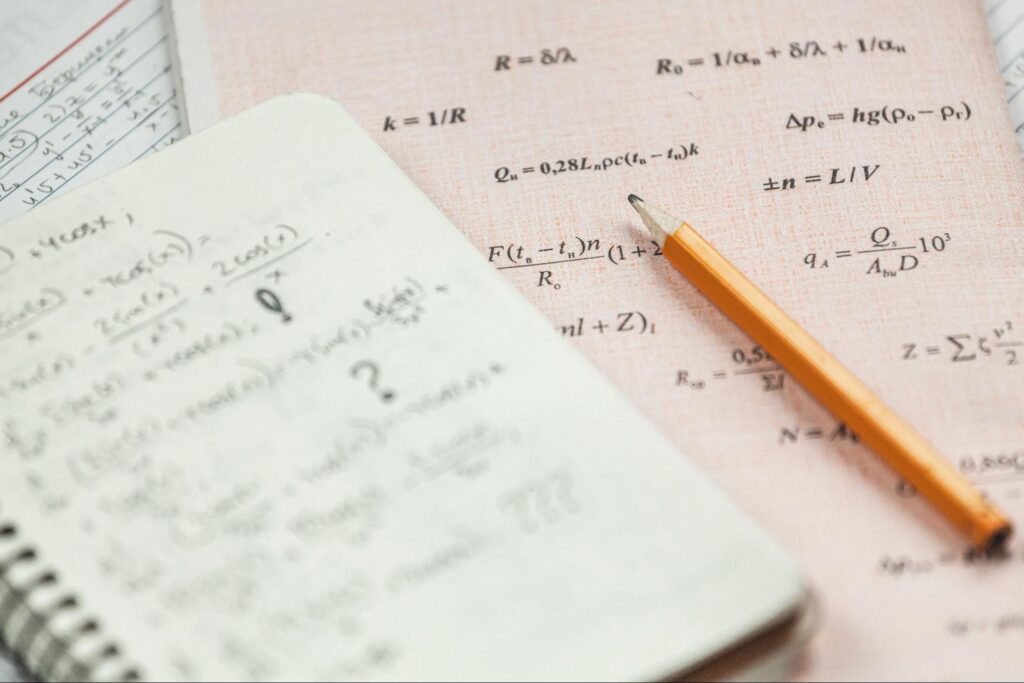
You don’t need to think about the entire JEE syllabus at once. If you’re beginning in Class 11, break the next two years into smaller phases. Each phase has a different job: Class 11 is for building your base, Class 12 is for bringing everything together, and the final months are for revision, mock practice, and keeping up the IIT JEE motivation as exam day nears.
The mistake is trying to follow the same study routine for two years. Your priorities will change as you move closer to the exam, so your plan should change with them.
Class 11: Build your foundation
Use Class 11 to get comfortable with the JEE level of Physics, Chemistry and Mathematics. Stay on pace with your syllabus, practise after each chapter and keep revising older topics instead of constantly moving on to something new.
By the end of Class 11, your focus should be on having a strong grasp of the Class 11 syllabus, not simply having “completed” it.
Class 12: Strengthen concepts and increase practice
Class 12 brings a new syllabus while you still need to remember what you studied in Class 11. Keep your current chapters moving while setting aside regular time for Class 11 revision.
This is also when your preparation should become more question-focused. Comparing the distinct demands, exam patterns, and strategies through a detailed NEET vs JEE exam analysis ensures your daily schedule stays aligned with your goals.
Final phase: Revise, practise and take mock tests
As JEE 2028 gets closer, the priority shifts from learning new material to using what you already know effectively.
Revise the complete syllabus, revisit your weak areas, solve PYQs and take full-length mock tests under exam conditions. Your final months should be about improving accuracy, speed and question selection rather than trying to collect more and more study material.
How to prepare for JEE from Class 11 without coaching

Coaching can give you a fixed schedule, regular classes and someone to guide your preparation. Without it, you have to build that structure yourself.
That doesn’t mean your preparation has to be complicated. Start with the JEE syllabus, decide what you will study and when, and stick to a limited set of reliable resources focusing step-by-step on areas like developing a strong foundation in mathematics.
Give each subject regular time and keep track of what you have completed instead of jumping between different teachers and study plans.
The biggest advantage of self-study is flexibility. You can spend more time on a chapter you find difficult and move faster through topics you already understand. The important part is making sure that flexibility doesn’t turn into inconsistency.
Create a structured self-study routine
Plan your week around four things: learning new concepts, solving questions, revising older topics and taking tests.
Keep your targets specific. Instead of a vague goal like “study Maths,” focus on targeted preparation such as mastering high weightage Maths chapters for JEE Main and solving a set number of practice problems for those topics. Leave some flexibility for schoolwork and backlogs.
The best routine isn’t the most packed one. It’s the one you can follow consistently.
Choose the right study material
Don’t keep switching between books, teachers and online resources. Pick a few reliable sources and stick with them.
Use NCERT for your foundation, your main study material for detailed preparation, and JEE PYQs to understand the level and pattern of questions.
More resources won’t automatically mean better preparation. The real advantage comes from finishing, practising and revising what you already have.
Use online resources wisely
The internet can make self-study easier, but too many resources can quickly become distracting. Choose a few trustworthy lectures, question banks or doubt-solving platforms and use them consistently.
If a topic isn’t clear from one source, look for another explanation instead of spending hours watching multiple videos on the same chapter.
Use the internet to solve a problem in your preparation, not to keep searching for a better way to prepare.
Practise and test yourself regularly
Don’t wait until you finish the entire syllabus to test yourself. After completing a chapter, solve its JEE questions and take a short test to see what you actually remember.
Use your mistakes to decide what needs more work. Regular practice tells you what you know, but evaluating yourself through options like the best test series for JEE Main and Advanced shows you what you can actually do under pressure.
Track your progress and clear your backlogs
Keep a simple weekly record of what you planned, what you completed and what still needs work.
If a chapter gets left behind, don’t keep adding new topics on top of it. Set aside time to finish the backlog before it starts affecting other chapters.
A weekly check-in can be enough:
Common mistakes to avoid while preparing for JEE in Class 11
Class 11 is where your JEE preparation starts taking shape. But it’s also where small mistakes can turn into bigger problems later.
Studying without a plan, collecting too many resources, or constantly putting off revision can leave you with a pile of unfinished work by Class 12. Structuring your journey with a proven JEE Mains and JEE Advanced study plan helps organize your resources and secure consistent revision time.
The good news? Most of these mistakes are completely avoidable. Here are the ones you should watch out for from the beginning.
Trying to finish the syllabus too quickly
Starting early does not mean you need to race through the entire JEE syllabus in the first few months. If you rush, you may finish chapters on paper but miss the concepts, practice and revision that actually make them stick.
Give yourself enough time to understand a chapter, solve questions and revisit it later. A steady pace now is much better than finishing quickly and having to relearn everything later.
Using too many books and resources
More study material can feel like more preparation, but it often does the opposite. You start switching between books, lectures and question banks without finishing any of them properly.
Pick a small set of reliable resources aligned with the JEE 2027 syllabus and chapter-wise guide, and stick with them. Finish your main material, practise from it and revise it before looking for something new.
Ignoring revision
Finishing a chapter feels satisfying, but JEE preparation doesn’t end when you move to the next one. If you keep studying new topics without revisiting old ones, Class 11 can quickly turn into a long list of chapters you once knew.
Set aside regular time to revise formulas, concepts and questions from older chapters. What you revise today is much easier to retain than what you have to relearn months later.
Skipping question analysis
Solving a test and immediately moving on wastes one of the most useful parts of it. After every test, look at the questions you got wrong or couldn’t solve and figure out what actually went wrong.
Was it a concept gap, a calculation mistake, poor time management or simply misreading the question?
That analysis helps you avoid making the same mistake twice, which is far more valuable than simply counting your test scores.
Take the first step towards JEE 2028 with Chaitanya’s Academy
Starting JEE preparation in Class 11 gives you something every aspirant needs: time. Instead of rushing through the syllabus later, you can use these two years to build strong concepts, practise JEE-level questions, revise regularly and learn from your mistakes.
Whether you choose coaching or self-study, what matters is having a clear plan, using the right resources and staying consistent. Just as importantly, don’t let the pressure of JEE take over your Class 11 experience. A sustainable routine and a healthy mindset will help you stay in the game for the long run.
But you don’t have to figure everything out on your own.

Chaitanya’s Academy helps students prepare for competitive exams with structured learning, expert guidance and the support they need throughout their preparation. With the right academic direction and a focused approach, students can spend less time wondering what to study next and more time actually preparing for JEE 2028.
If you’re starting your JEE journey in Class 11, this is the right time to get serious about your preparation.
Take the first step towards JEE 2028 with Chaitanya’s Academy. Contact Chaitanya’s Academy today and start building your foundation for the exam.
Frequently asked questions about IIT and JEE preparation 2028
How can I start preparing for JEE from Class 11?
Start by understanding the JEE syllabus and dividing it into manageable targets. Build your concepts through NCERT and reliable study material, practise questions regularly, revise completed chapters and take tests. Most importantly, create a routine you can follow consistently alongside your Class 11 studies.
How to prepare for JEE 2028 from Class 11?
To prepare for JEE 2028 from Class 11, use the first year to strengthen your Physics, Chemistry and Mathematics fundamentals. Follow the syllabus systematically, practise JEE-level questions, revise regularly and solve previous year questions. In Class 12, increase testing, revision and full-syllabus practice.
Can I prepare for JEE from Class 11 without coaching?
Yes, you can prepare for JEE from Class 11 without coaching if you have a structured self-study plan. Follow the syllabus, choose reliable resources, practise consistently, use previous year questions and take regular mock tests. Track your progress and clear backlogs before they become difficult to manage.
How can I prepare for IIT JEE from Class 11 with coaching?
With coaching, use classroom teaching as the foundation of your preparation rather than depending entirely on it. Revise topics after class, complete assigned practice, clear doubts quickly and analyse your test performance. Continue self-study outside coaching hours so that concepts become strong through regular practice.
How should I balance school and JEE preparation in Class 11?
Create a routine that gives space to both school and JEE preparation. Use weekdays for regular concept learning and question practice, while weekends can include revision, backlog completion and tests. Avoid creating an unrealistic schedule. A balanced routine that you can maintain for two years is more effective.
What is the JEE syllabus for Class 11 students?
The Class 11 JEE syllabus covers topics from Physics, Chemistry and Mathematics. Important areas include mechanics and thermodynamics in Physics, physical, organic and inorganic Chemistry, and algebra, trigonometry, coordinate geometry and other foundational Mathematics topics. Always refer to the latest official JEE syllabus for exact coverage.
Which are the important topics for JEE preparation in Class 11?
Important Class 11 topics include mechanics, thermodynamics and waves in Physics; mole concept, chemical bonding, equilibrium and basic organic chemistry in Chemistry; and algebra, trigonometry, coordinate geometry, sequences and probability in Mathematics. However, students should study the complete syllabus rather than depending only on selected topics.
What are the best books for JEE preparation 2028?
Start with NCERT books to build your foundation, particularly for Chemistry. Along with NCERT, use one reliable JEE-oriented study resource for each subject and practise previous year questions. Avoid collecting too many books. Completing, practising and revising a limited set of good resources is usually more useful.
How to crack JEE starting in Class 11?
To crack JEE starting in Class 11, focus on the process rather than trying to finish everything quickly. Build strong concepts, practise progressively difficult questions, revise older chapters, solve PYQs and take regular tests. Use Class 11 to strengthen your foundation and Class 12 to intensify practice.
What mistakes should I avoid while preparing for JEE in Class 11?
Avoid rushing through the syllabus, relying on too many resources, skipping revision and memorising concepts without understanding them. Don’t ignore difficult questions or let backlogs keep growing. After every test, analyse your mistakes carefully. These habits can make your two-year preparation more organised and effective.